

This León Nicaragua neighbourhood guide focuses on the city’s historic centre, where the cathedral, parks and several cultural sites form a practical route on foot. León’s colonial history and university heritage give the central streets their character, while museums and public spaces offer clear stops for a day of exploring.
- Location: León, Nicaragua, 92 km from Managua.
- Central landmarks: the cathedral, Central Park, museums, market and historic streets.
- Museum walks: the Museum of the Revolution is about a 9-minute walk from Hotel Real León.
- Planning: current opening hours, admission prices and access details vary or are not established; check before setting out.
Getting Oriented in León
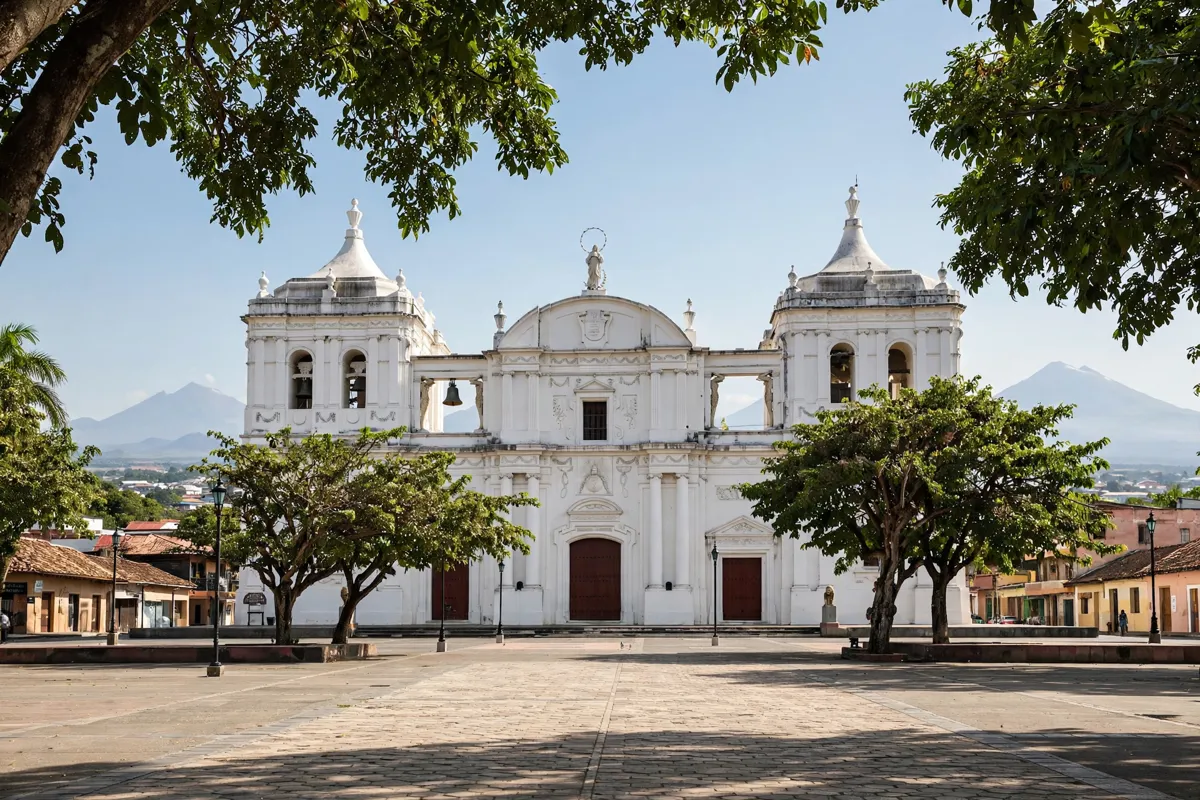
León’s historic centre is the best starting point for understanding the city’s landmarks and layout. León was founded on June 15, 1524, by Francisco Hernández de Córdoba. Its original settlement, now called León Viejo, stood on the shore of Lake Xolotlán; volcanic and seismic activity led to the city’s move to its present location in 1610.
The Royal Basilica Cathedral of the Assumption of the Blessed Virgin Mary is the city’s most iconic building and is described as the largest cathedral in Central America. Rubén Darío is buried inside. Visitors are allowed onto the cathedral’s white roof for views over León and nearby volcanoes, though access conditions can vary.
Central Park gives you an easy reference point for nearby green spaces. Juan José Quezada Liberation Park sits opposite the cathedral in El Sagrario neighborhood. Los Poetas Park is one block west of Central Park and has four monuments to Salomón de la Selva, Alfonso Cortés and Azarías H. Pallais.
San Juan Park, also known as Parque de las Madres, is four blocks north and two blocks east of Central Park. Farther south, the Paseo de los Leones and Rubén Darío Plaza form part of a tourist and cultural corridor; the Paseo serves as a pedestrian route.
Cultural Stops in the Central Area
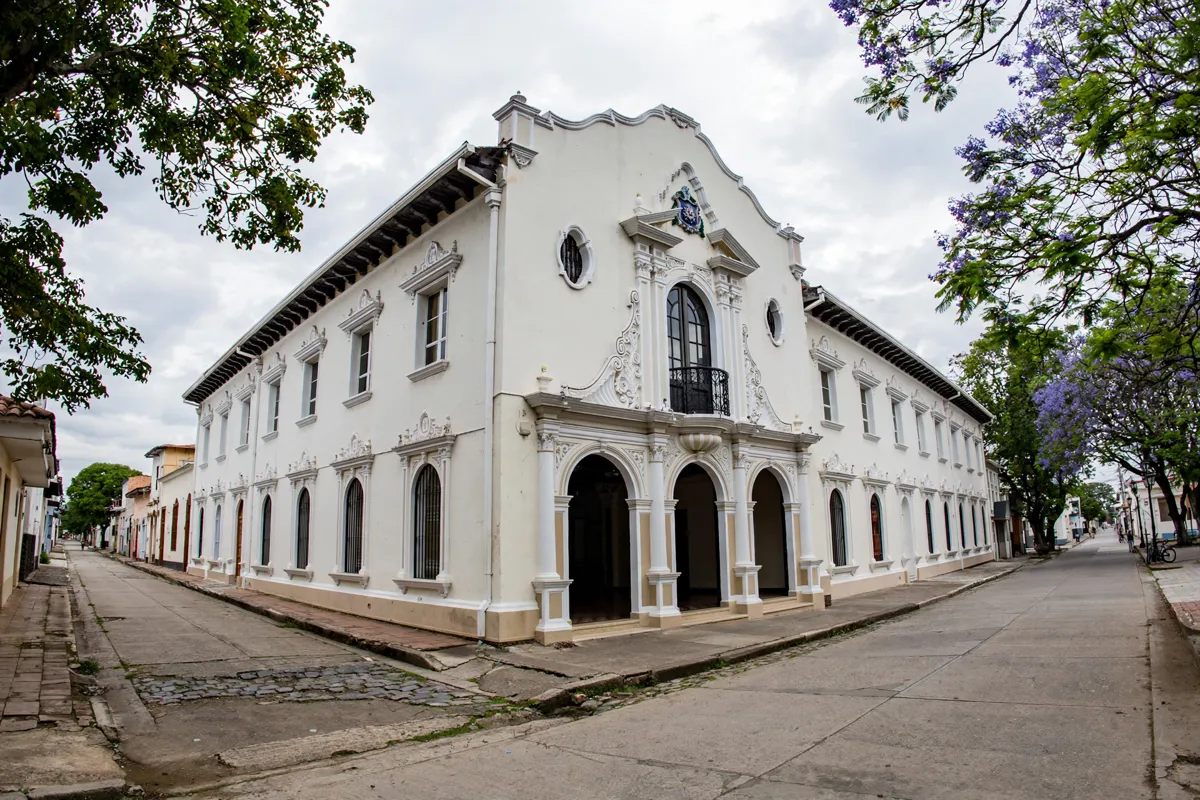
León’s central cultural stops combine university history, visual art and accounts of the country’s political past. The National Autonomous University of Nicaragua in León (UNAN-León) was founded in 1812, and its central building appears alongside museums, the cathedral, Central Market and El Calvario Church on a cultural walking route.
The Ortiz-Gurdiano Art Museum holds Latin American and European art; this guide to Museo de Arte Fundación Ortiz-Gurdián covers the museum in more detail.
The Museum of Legends and Traditions is another central stop, included with the cathedral, museums, market and El Calvario Church in the cultural route. The route also features the Rubén Darío Archive Museum, giving you a way to connect the city’s literary legacy with its broader cultural history.
The Museum of the Revolution presents exhibitions related to Nicaragua’s recent political history. The Museo de la Revolución in León is a natural stop for visitors interested in that history.
Everyday Services and Local Streets
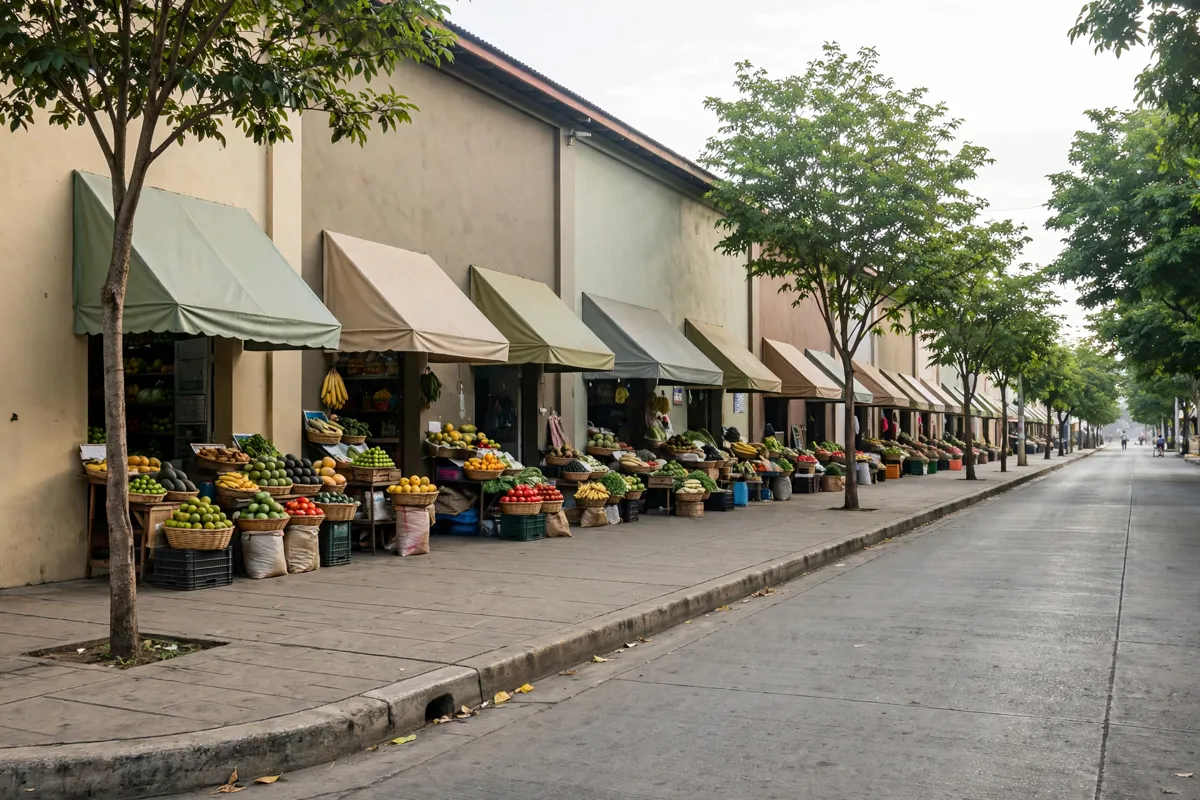
Central León’s public spaces and commercial streets link everyday city life with its cultural landmarks. Central Market appears on the cultural walking route, alongside the cathedral and museums, so you can include it as one stop among several rather than treating the centre as a collection of isolated attractions.
Guadalupe Bridge lies three and a half blocks south of Central Park. Historically, it connected the old city with the Guadalupe and San Sebastián neighborhoods south of the Chiquito River.
The bridge and the southern cultural corridor help place the central sights within the wider city. The Museum of the Revolution is about a 9-minute walk from Hotel Real León.
For a little more background before visiting the centre, UNAN-León’s history offers a useful thread: the university dates to 1812, well before the city’s later cultural institutions and public routes took shape.
How Do You Plan a Walk Through Central León?
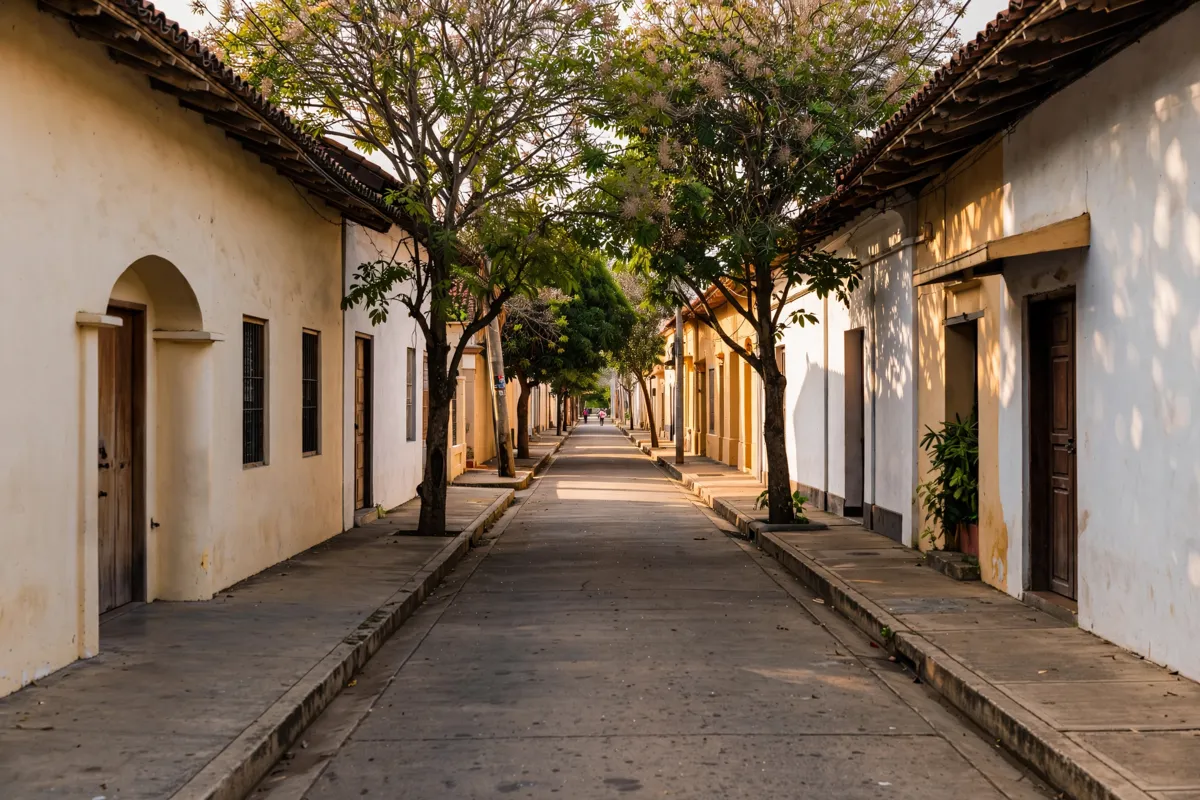
A central León walk can link the university building, museums, cathedral, market and El Calvario Church in one route. A cultural route document describes that sequence of stops, but its published duration and allocations are tied to a dated itinerary, so use the sites as a guide to possible stops rather than relying on its schedule.
To keep the day coherent, start around the central university and work through the museums and cathedral before reaching the market and El Calvario Church.
The central parks provide nearby pauses between landmarks, while the Paseo de los Leones extends the walk into the southern cultural corridor. For practical transport context, getting around León, Nicaragua is closely connected to planning these central stops.
Before you go: opening days and hours, admission prices and accessibility details can change or may not be published consistently. Check the official site before you go.
FAQs
What is León’s historic centre known for?
It brings together the cathedral, parks, museums, university landmarks and Central Market. The cathedral is León’s most iconic building and is described as the largest in Central America.
Can you visit the roof of León Cathedral?
Visitors are allowed onto its white roof for views of León and nearby volcanoes. Check current access conditions before planning a visit.
Which parks are near Central Park in León?
Juan José Quezada Liberation Park is opposite the cathedral, Los Poetas Park is one block west, and San Juan Park is four blocks north and two blocks east.
What museums are in central León?
Central cultural stops include the Ortiz-Gurdiano Art Museum, the Museum of the Revolution and the Museum of Legends and Traditions. The Rubén Darío Archive Museum is also included on a cultural walking route.